Architect: Abbotsford Convent Foundation
Location: Abbotsford, VIC
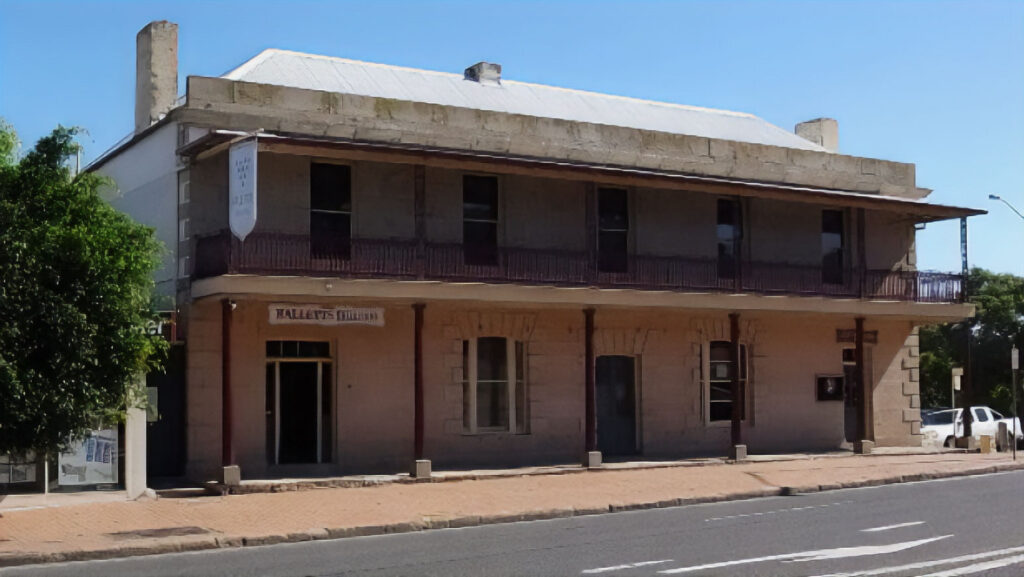
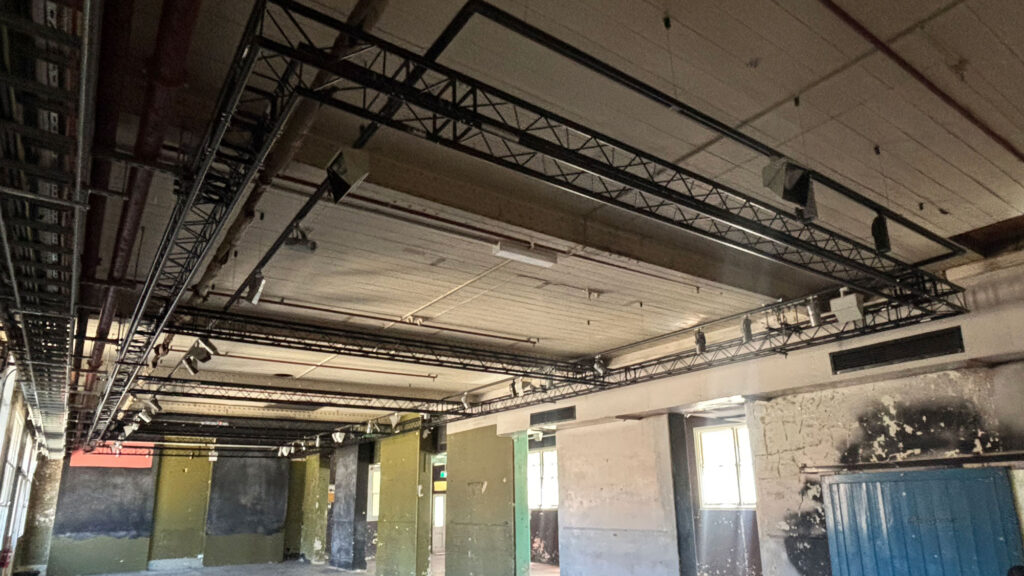
The Abbotsford Convent represents a unique intersection of Melbourne’s heritage and its contemporary arts scene. The grand Convent building was constructed in 1901 to serve as the headquarters for the Sisters of the Good Shepherd. Once a bustling hive of activity that housed 150 Sisters, the precinct has since transformed into one of Australia’s largest multi-arts hubs. Today, the historic fabric, including former dormitories, libraries, and cell rooms, houses studios and galleries, bringing distinct structural challenges when temporary event loads like lighting trusses and staging are introduced to buildings never intended for such use.
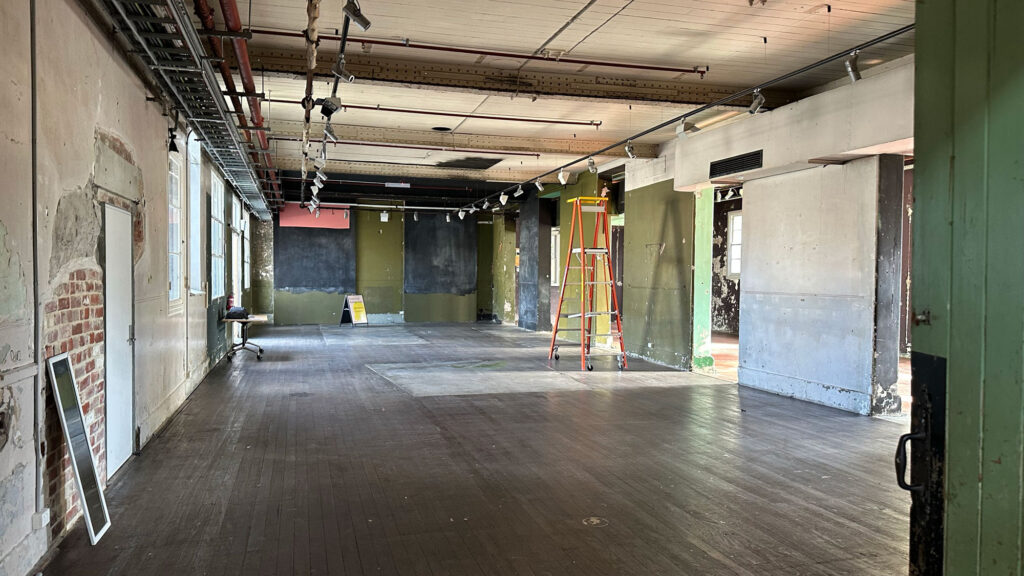
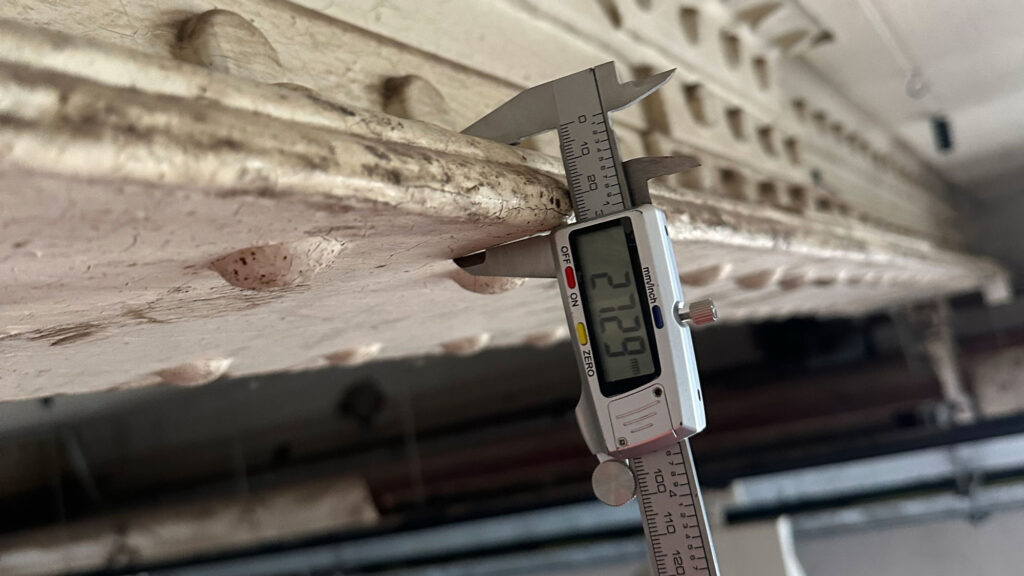
Partridge has undertaken detailed assessments of the Convent’s original wrought iron beams to determine their capacity for these modern requirements. Evaluating wrought iron requires a specialised approach; unlike modern steel, these elements lack standardised material properties and historical data. Our process begins with thorough site inspections to confirm member sizes, support conditions, and signs of deterioration, often applying conservative assumptions or targeted testing to understand material behaviour under stress.
To ensure safety, we develop load cases reflecting specific event configurations, including dynamic effects. These are assessed against existing capacity, with a focus on connection details and load paths, often the critical factors in heritage structures. Where limitations are identified, we implement temporary works or load management strategies that enable events to proceed without permanent alterations to the building.
Engineering within the Abbotsford Convent is a delicate balance between respecting the constraints of a historically significant structure and enabling its modern life. Through close coordination with event designers and site managers, we ensure all interventions remain reversible, allowing the Convent to continue as a safe, functional, and culturally rich destination.