Client: Museums of History, NSW
Geotech: Douglas Partners
Location: Vaucluse, NSW
The Wentworth Mausoleum stands as one of Australia’s most significant funerary monuments and serves as the final resting place for William Charles Wentworth, who was the primary author of the first draft of the New South Wales constitution. Constructed in the 1870s, this State Heritage-listed structure consists of a single-storey sandstone block building situated above a subterranean crypt. Partridge is currently providing structural engineering advice to Museums of History NSW to support the ongoing conservation of this historic site.
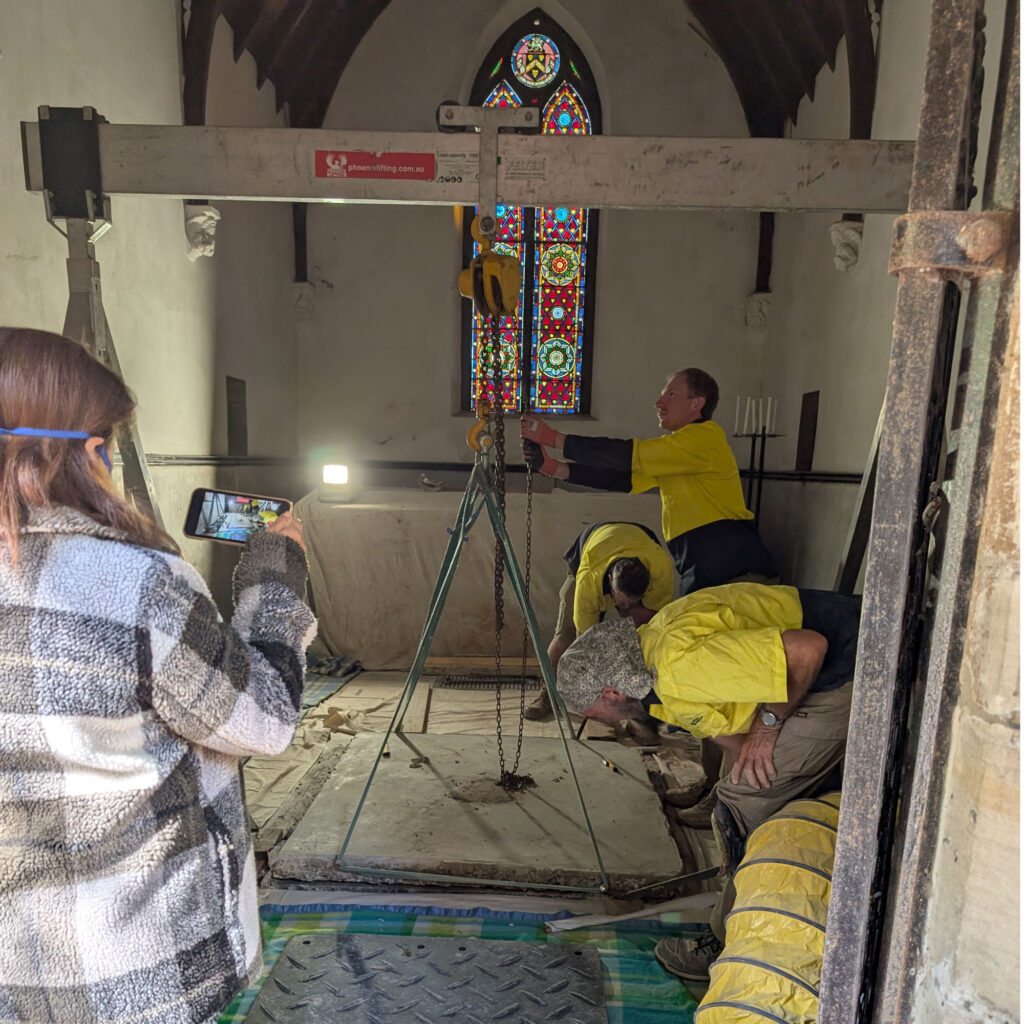
A critical phase of our involvement required gaining access to the crypt to perform a detailed structural condition inspection. Remarkably, this marked the first time the chamber had been entered in over a century. The process required a highly specialised approach; working with expert sub-contractors, we oversaw the careful opening of the sealed access hatch. This was managed with precision to ensure the original mosaic tile flooring and marble coping remained undisturbed during the process.
Performing an inspection in such a long-sealed environment presented unique site hazards. Beyond the standard risks associated with confined spaces, such as the potential accumulation of toxic gases, our team had to account for more unusual biological considerations, including the highly remote but documented risk of historical smallpox spores within a crypt environment.
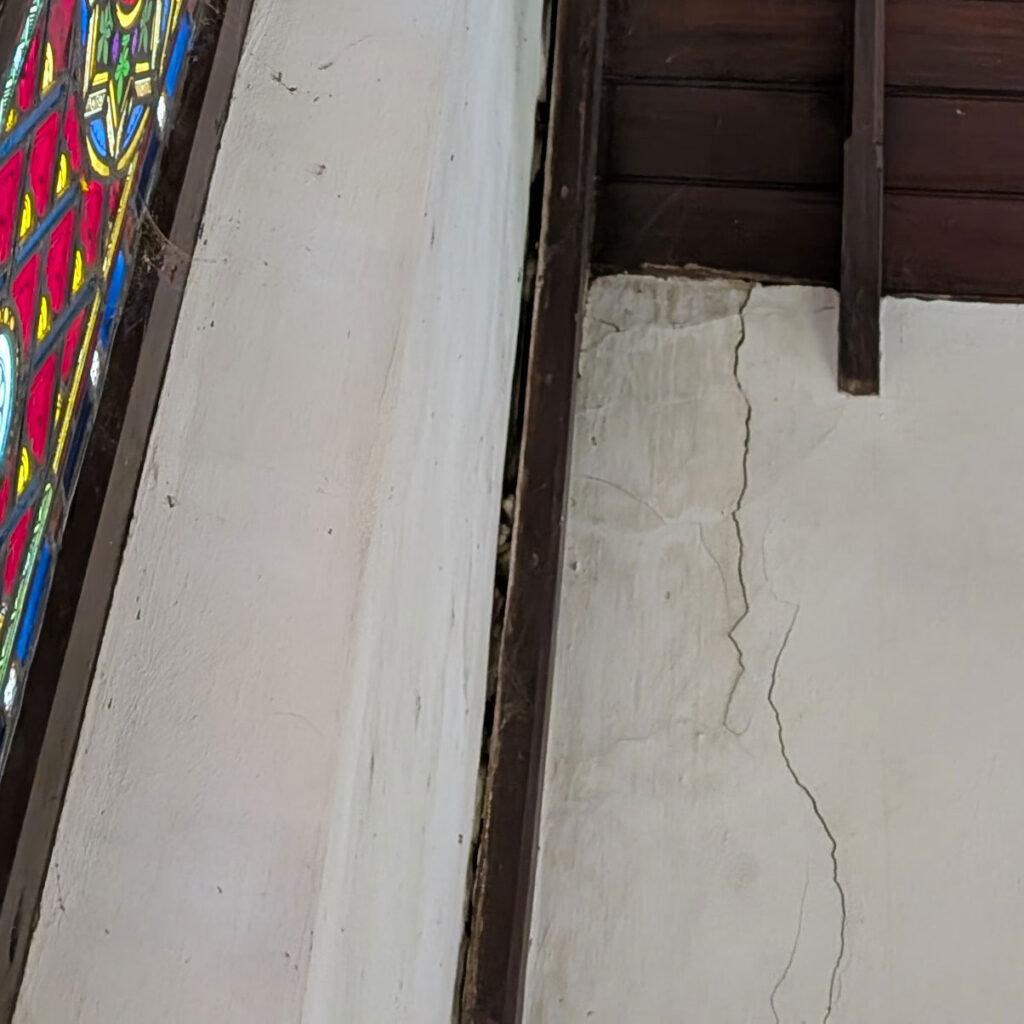
The inspection revealed that the crypt remains in excellent condition. Consequently, our structural remediation advice has focused on preventative maintenance rather than heavy intervention. The primary recommendation involved the application of a specialised corrosion protection system for the four wrought-iron riveted beams that frame the access opening in the ground floor. These original 19th-century members are vital to the structural integrity of the floor assembly.
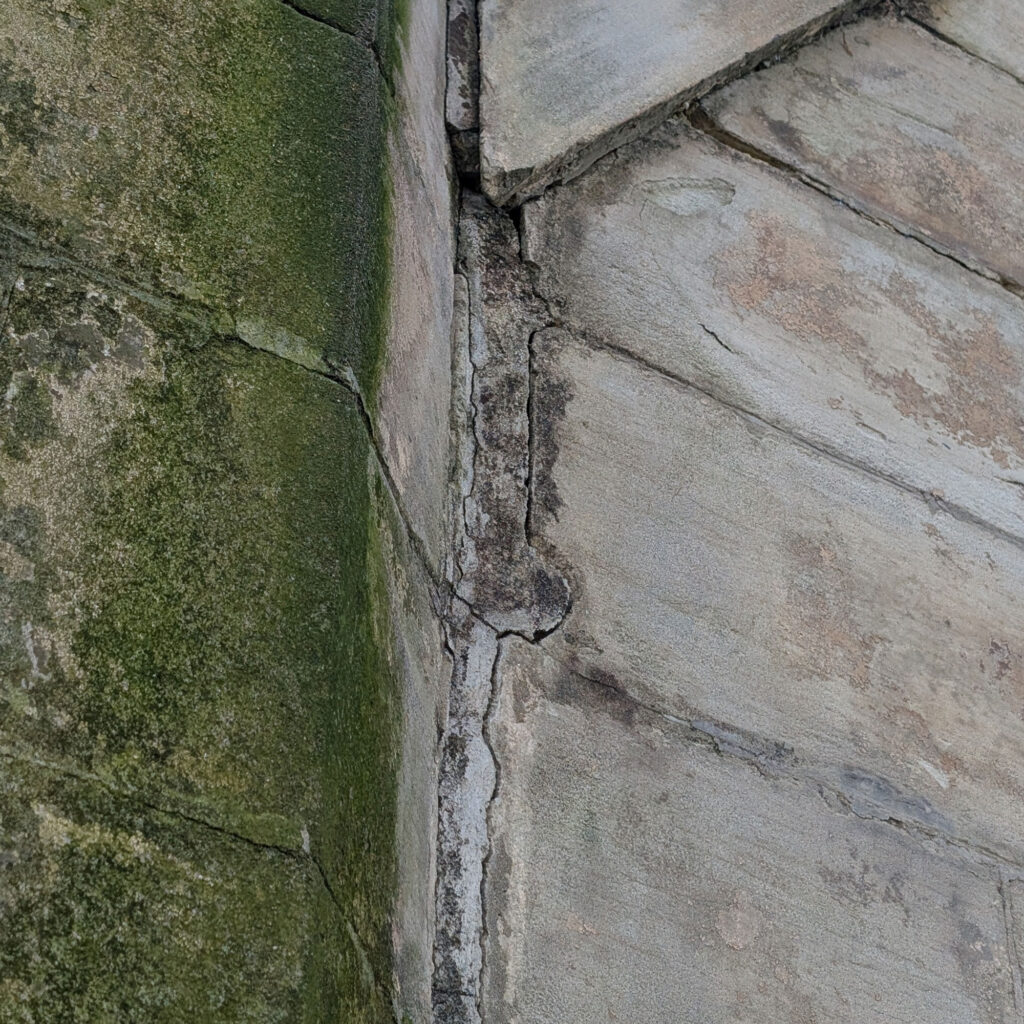
Additionally, we have implemented a strategy for long-term monitoring of the sandstone facade. While only minor cracking is present, crack width monitoring will provide the data necessary to confirm the building remains stable.
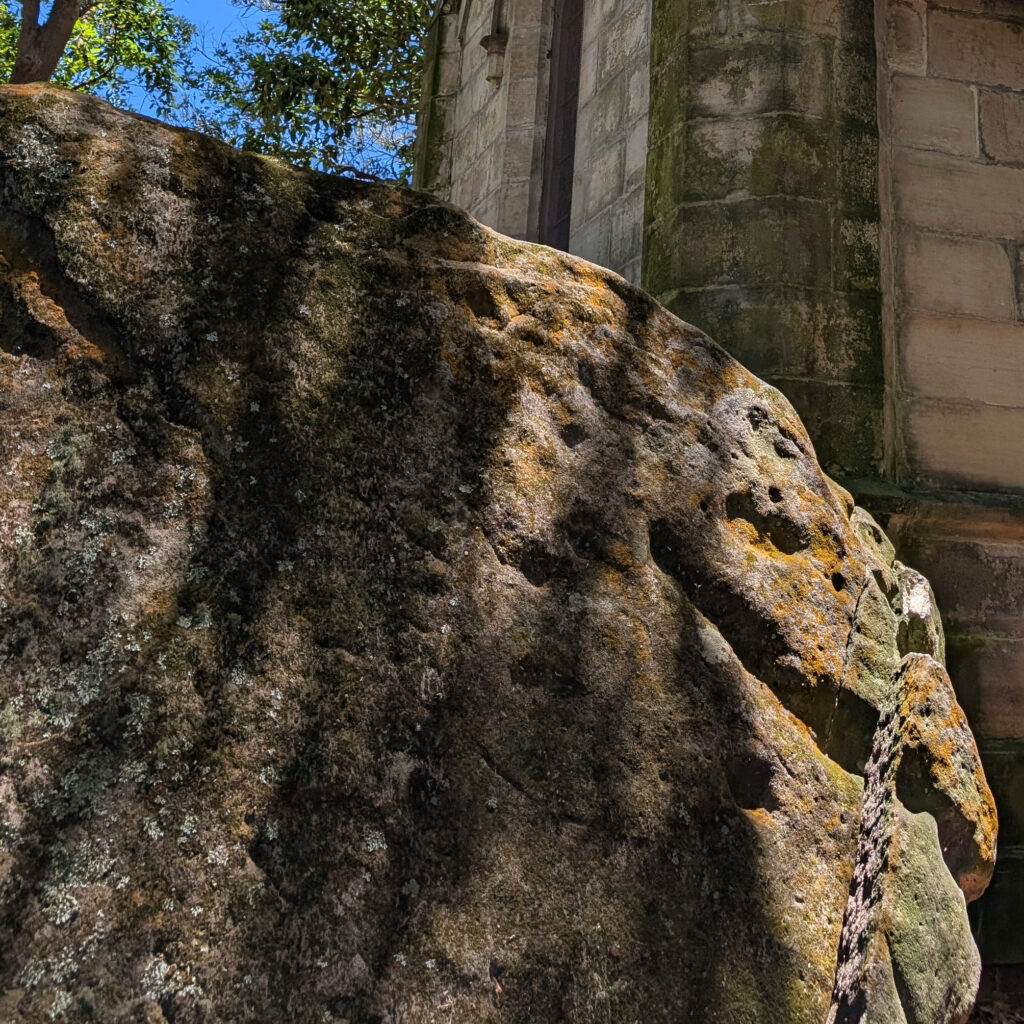
We are also collaborating closely with geotechnical consultants from Douglas Partners to monitor the large sandstone boulder against which the southern end of the mausoleum is constructed. By observing the fractures within this natural rock formation, the project team can ensure that any localised geological movement is identified before it impacts the heritage fabric. This collaborative effort ensures the mausoleum continues to stand as a stable and enduring tribute to a pivotal figure in Australian history.