Client: The National Trust of Australia (VIC)
Location: Yarra Glen, VIC
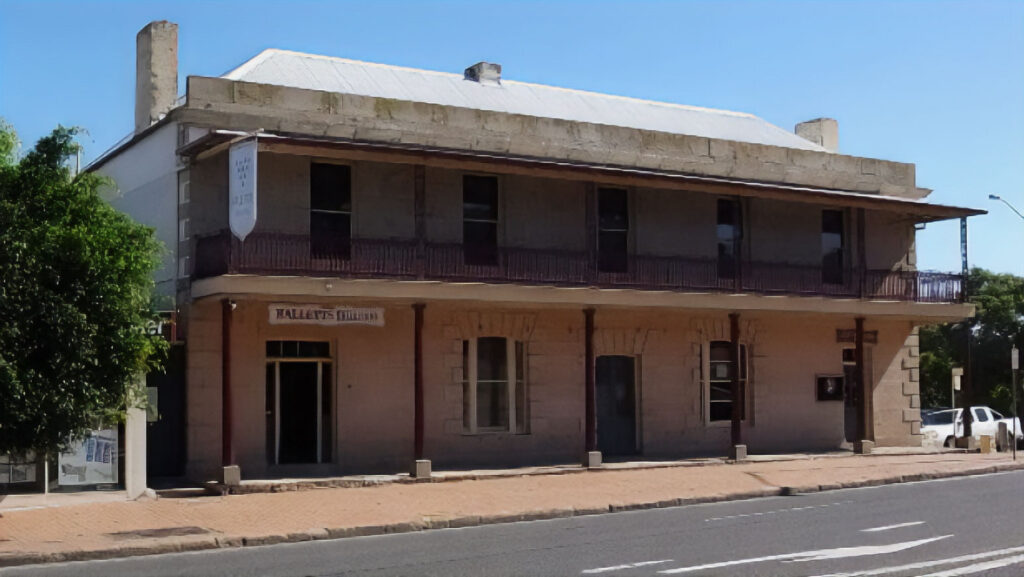
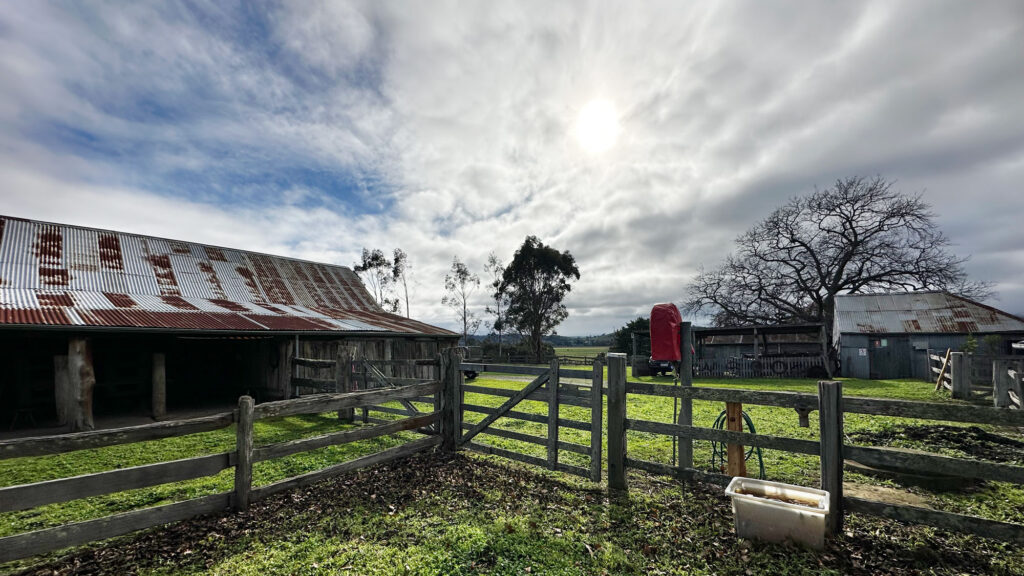
Heritage buildings are more than historic landmarks. Many continue to serve their communities, welcoming visitors and providing an opportunity to experience Australia’s early rural history firsthand. Gulf Station, a working heritage farm in Victoria managed by the National Trust, is one of the country’s oldest and most intact pioneer farm complexes.
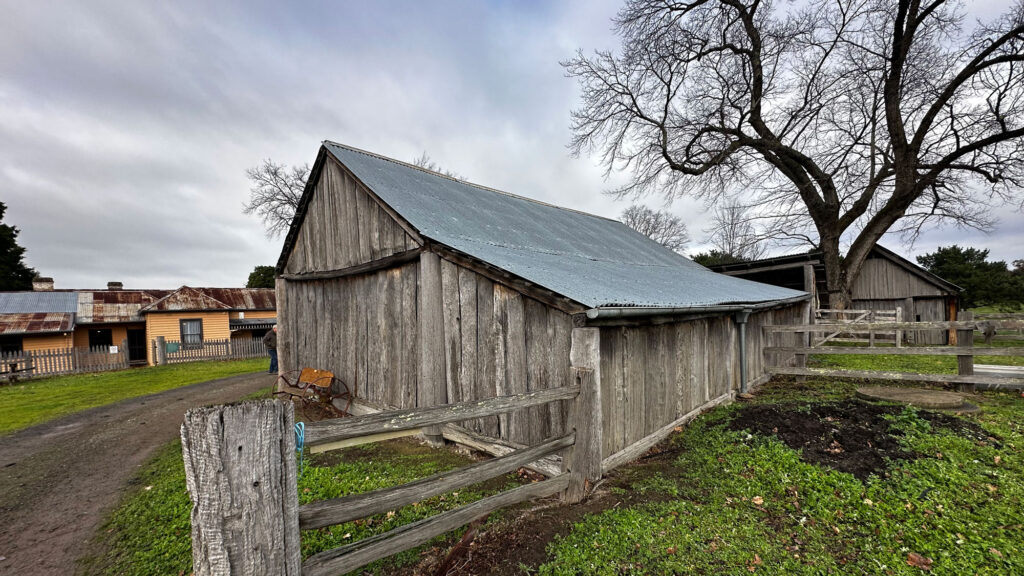
Established in the 1840s, the site regularly hosts school groups, families and community events, making the ongoing structural safety of its historic buildings just as important as their conservation. Partridge was engaged to inspect and assess a deteriorating barn wall, helping ensure the structure remained safe for public use while respecting its heritage significance.
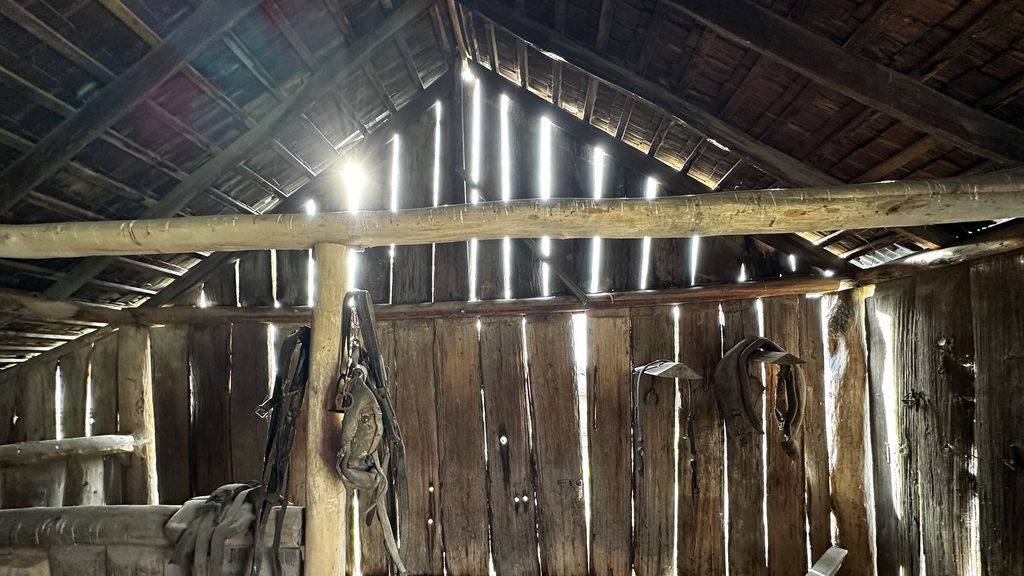
Working with timber buildings of this age requires an understanding of how traditional construction performs after more than 150 years of service. Weather exposure, natural settlement, timber deterioration and previous repairs can all influence the way loads are transferred through a structure. Rather than focusing solely on an isolated defect, our assessment considered how the barn wall interacted with the surrounding timber framing and whether the visible movement indicated broader structural concerns.
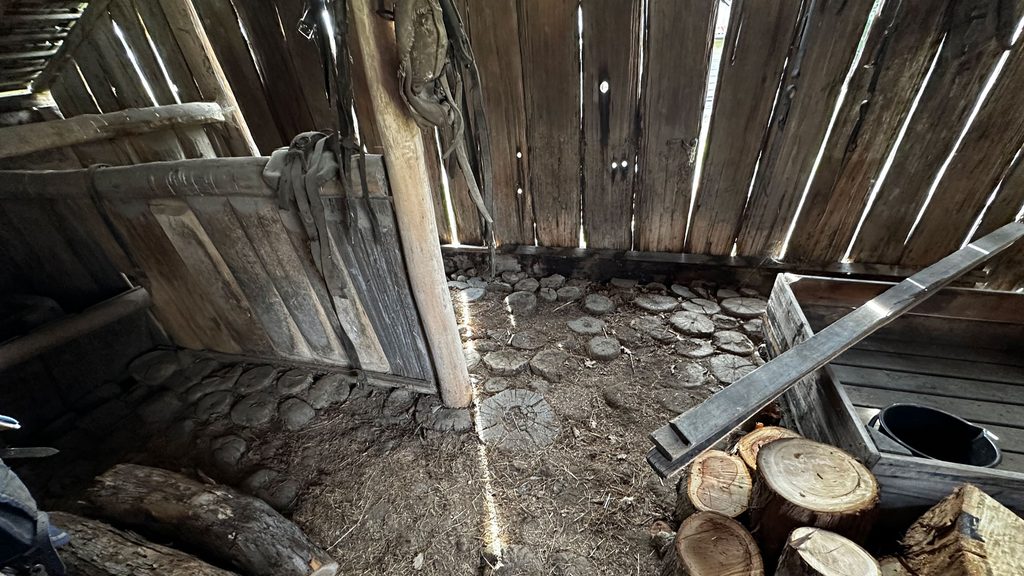
Our inspection included a detailed assessment of the existing timber framing, connections and supporting elements to determine the cause and extent of the deterioration. Understanding the original construction techniques was a critical part of the process, enabling us to distinguish between long-established movement that had stabilised over time and defects requiring engineering intervention. This investigative approach allows heritage buildings to be repaired with confidence, avoiding unnecessary work while ensuring genuine structural risks are addressed.
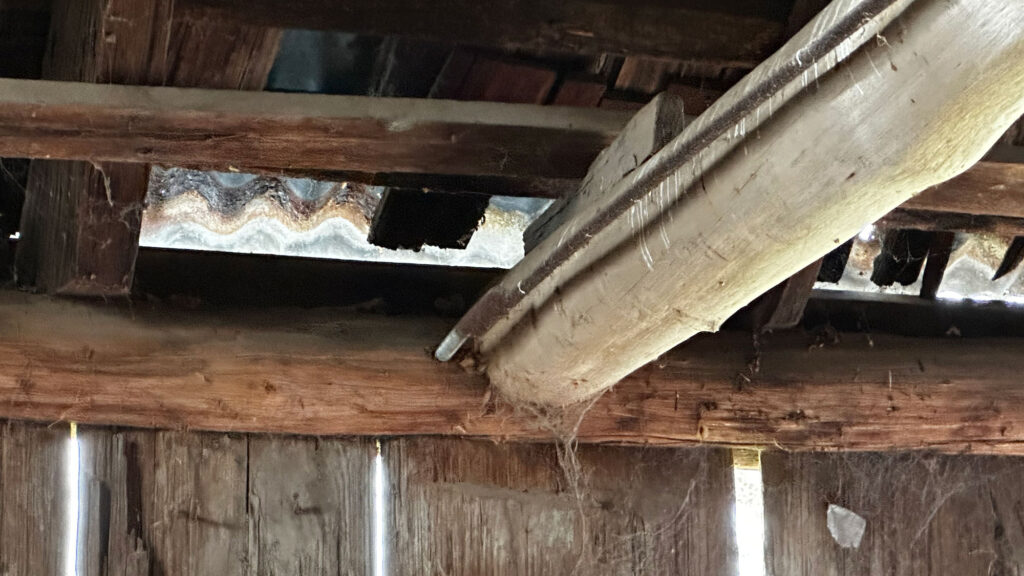
Based on our findings, we developed recommendations for targeted strengthening works that would improve the stability of the barn while remaining sympathetic to the original fabric. Heritage engineering is rarely about replacing large sections of a structure. Instead, it focuses on understanding how the building behaves and introducing carefully considered reinforcement only where it is needed. By keeping interventions as discreet as possible, the character and craftsmanship of the original building can be retained while improving its structural performance.
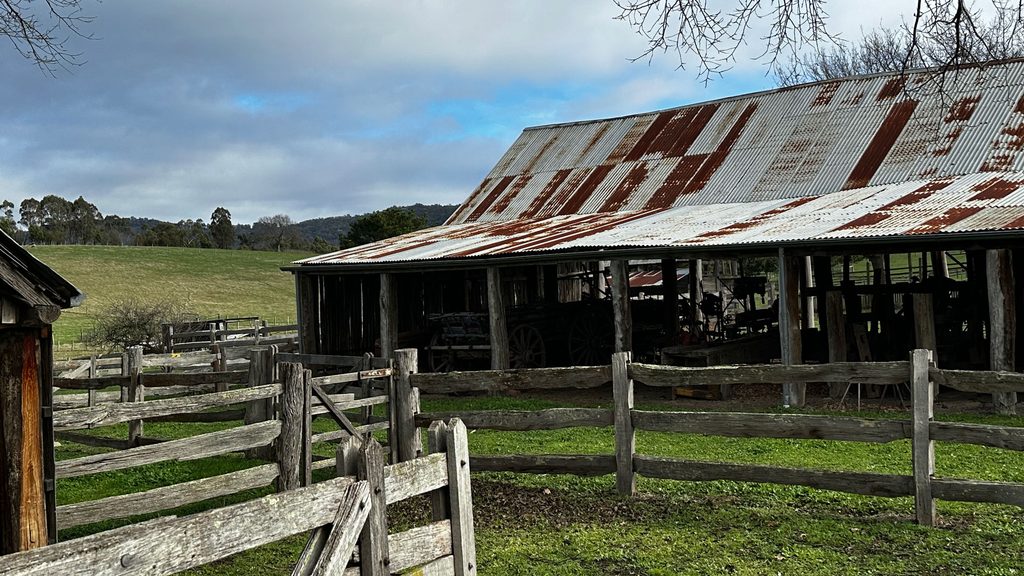
Projects such as this demonstrate the importance of early engineering involvement in heritage conservation. Thorough investigation allows issues to be identified before they become more significant, enabling localised repairs that minimise disruption to the historic fabric. For architects, builders and heritage managers, this collaborative approach helps preserve culturally significant buildings while ensuring they continue to operate safely for the thousands of visitors who experience them each year.
At Partridge, we see heritage engineering as a balance between conservation and performance. By combining detailed structural assessment with practical strengthening solutions, we help protect historically significant buildings so they can continue to educate, inspire and serve future generations.