Architect: Anderson Architecture
Head Builder: Built by Eli
Prefab Construction: Evan Graham Master Builder
Location: Putty, NSW
Located in the bushland of Putty Valley, the Putty Passiv project by Anderson Architecture established a clear structural brief for Partridge. The house is designed as a lightweight, off-grid dwelling that depends as much on the performance of its building envelope as on its structural system. This required close coordination between architectural intent, environmental modelling and construction methods.
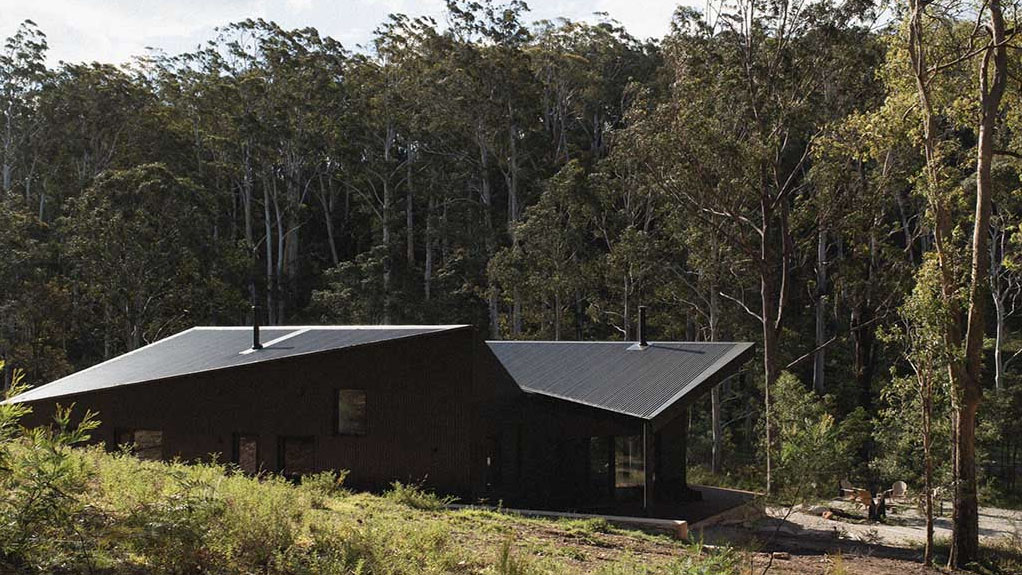
The building is organised into two separate pavilions, carefully positioned to maximise solar access while responding to the site’s topography and surrounding vegetation. Structurally, this split arrangement reduces the overall building mass and allows each pavilion to be resolved using a simple and efficient framing system. It also supports prefabrication, which was essential for achieving the airtightness and thermal performance standards required for Passivhaus certification.
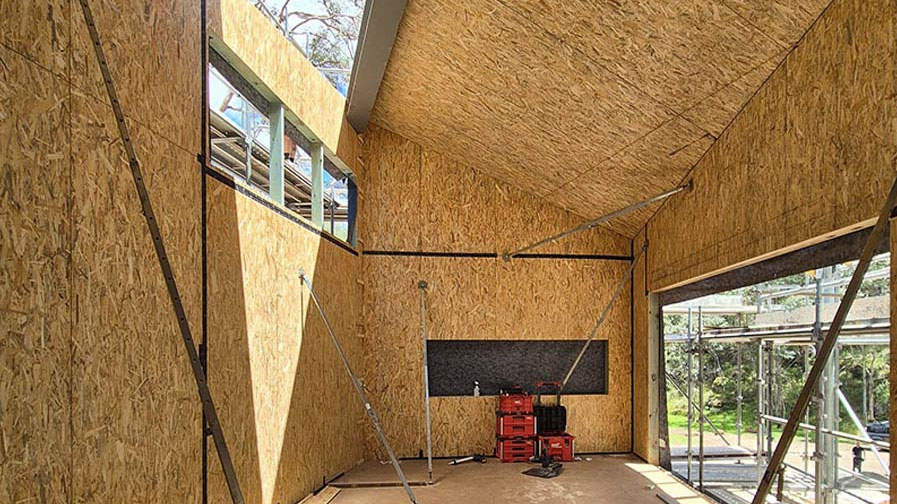
Partridge’s role focused on developing a structural system compatible with prefabricated wall, floor and roof panels. Particular attention was given to ensuring that connections, tolerances and load paths aligned with the demands of high-performance construction. These panels were manufactured to strict insulation and thermal bridging requirements, so the structural design needed to minimise penetrations and maintain continuity of the building envelope. This required a higher level of coordination than typical residential projects, especially at junctions where both structural integrity and airtightness are critical.
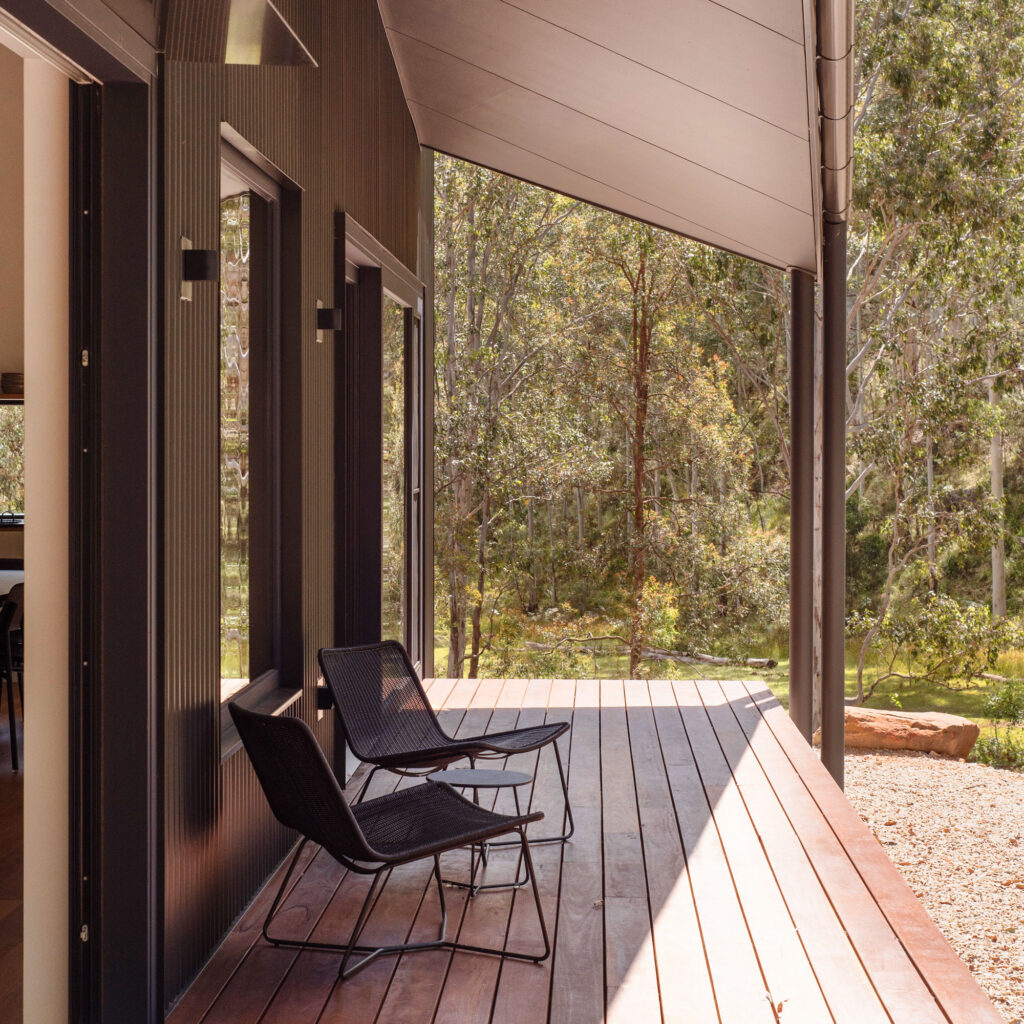
The project’s off-grid strategy introduced additional considerations. Roof structures were designed to support a substantial photovoltaic array while accommodating the geometry needed for optimal solar performance and effective drainage. The integration of battery storage, water collection and independent services further reinforced the need for a coordinated structural layout capable of managing service loads without complicating the overall building form.
Bushfire resilience was another key factor. With a BAL-40 rating, the structure and envelope needed to withstand ember attack, radiant heat and debris impact. From a structural perspective, this involved careful material selection, robust fixing methods, and detailing that reduces potential points of failure under fire conditions. The airtight Passivhaus envelope also contributes to this resilience by limiting pathways for smoke and embers to enter the building.
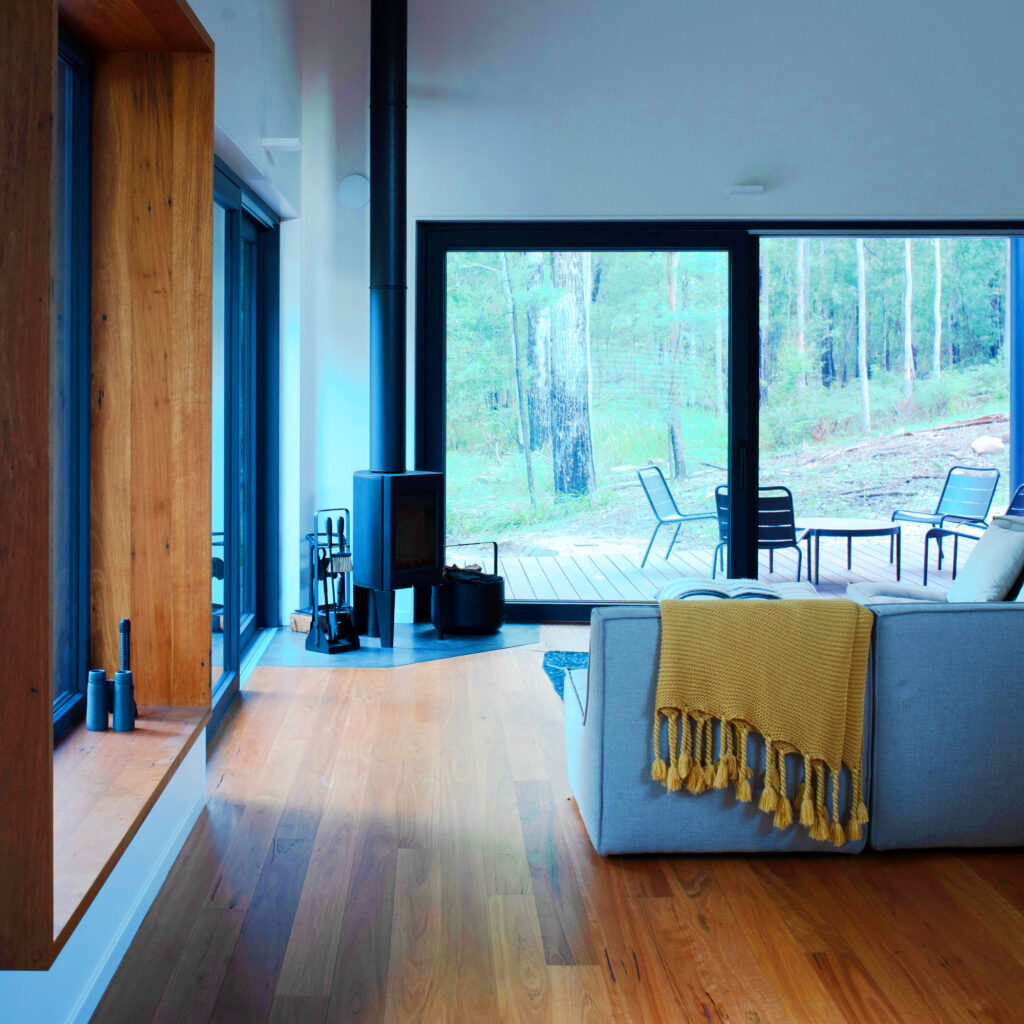
A more unusual challenge was the inclusion of a fireplace within a highly airtight home. This required careful coordination of flue penetrations and support systems to maintain the integrity of the building envelope while allowing for thermal movement and necessary safety clearances. It highlights how even small design elements can influence structural detailing in high-performance buildings.
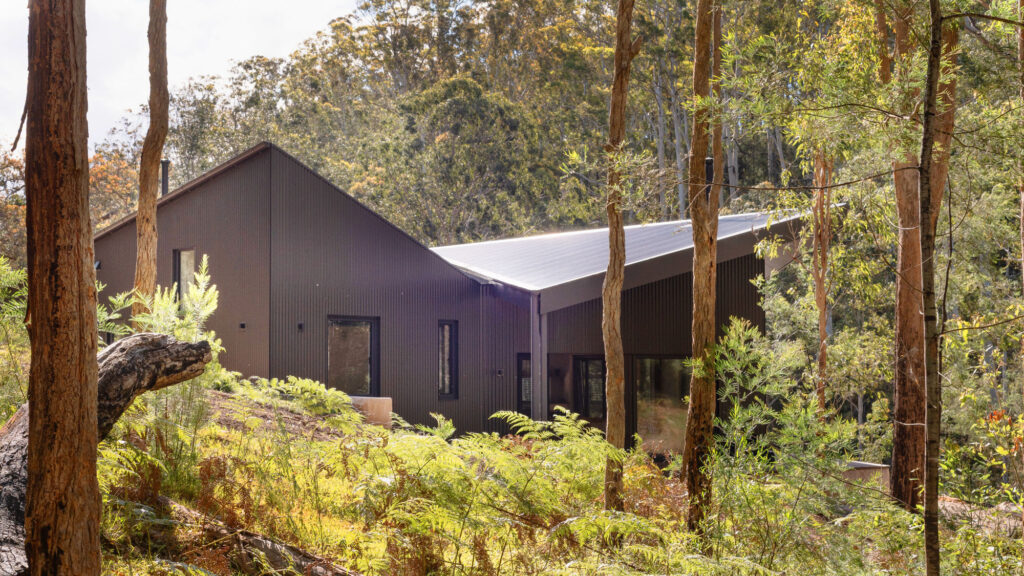
Putty Passiv reflects an evolving approach to residential structural design, where factors such as airtightness, thermal bridging and energy generation directly shape structural decisions. Rather than being treated as a separate layer, the structure is closely integrated with environmental systems and construction logic. For Partridge, the project demonstrates the importance of early and ongoing collaboration in delivering buildings where structural efficiency and environmental performance are closely aligned.